Activities


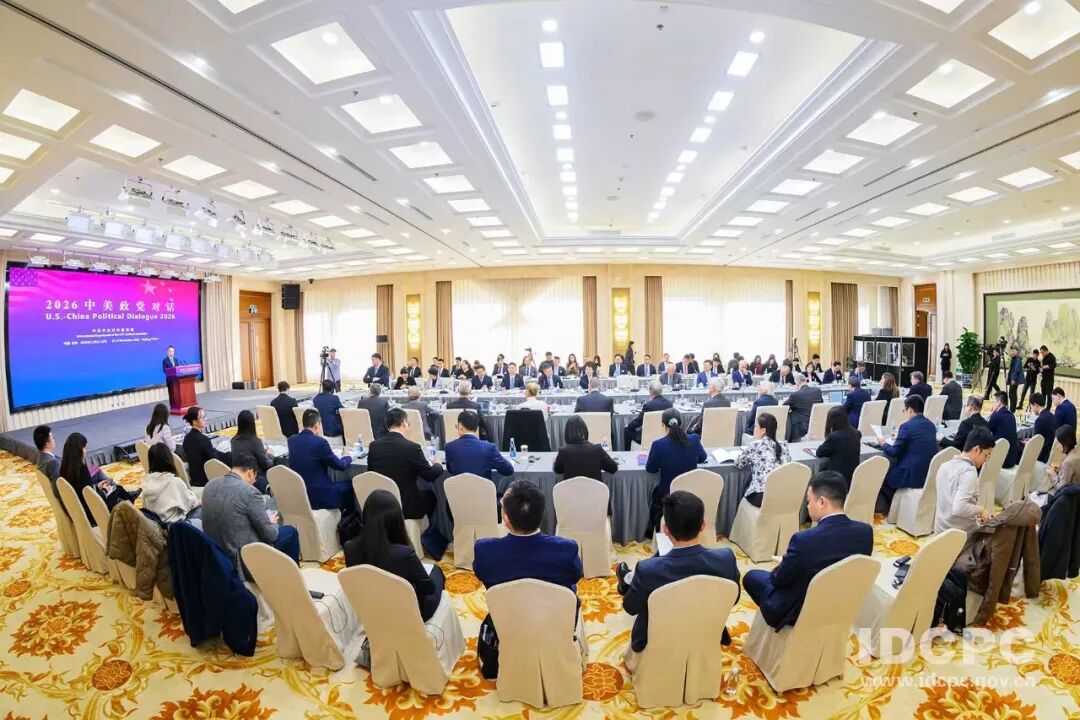
Beijing, November 12th—The U.S.-China Political Dialogue 2026 was held here today. Liu Haixing, Minister of the International Department of the CPC Central Committee (IDCPC), attended the event and delivered a keynote speech. Max Baucus, former U.S. Ambassador to China and former U.S. Senator, representatives from U.S. political parties, strategic communities and business circles, and representatives from relevant Chinese government departments, local governments, think tanks, universities and civil society organizations attended the dialogue. The two sides engaged in candid, in-depth and constructive exchanges on the theme U.S.-China Relations in the New Era: Exploring the Right Approach in a Changing Asia-Pacific and the World.
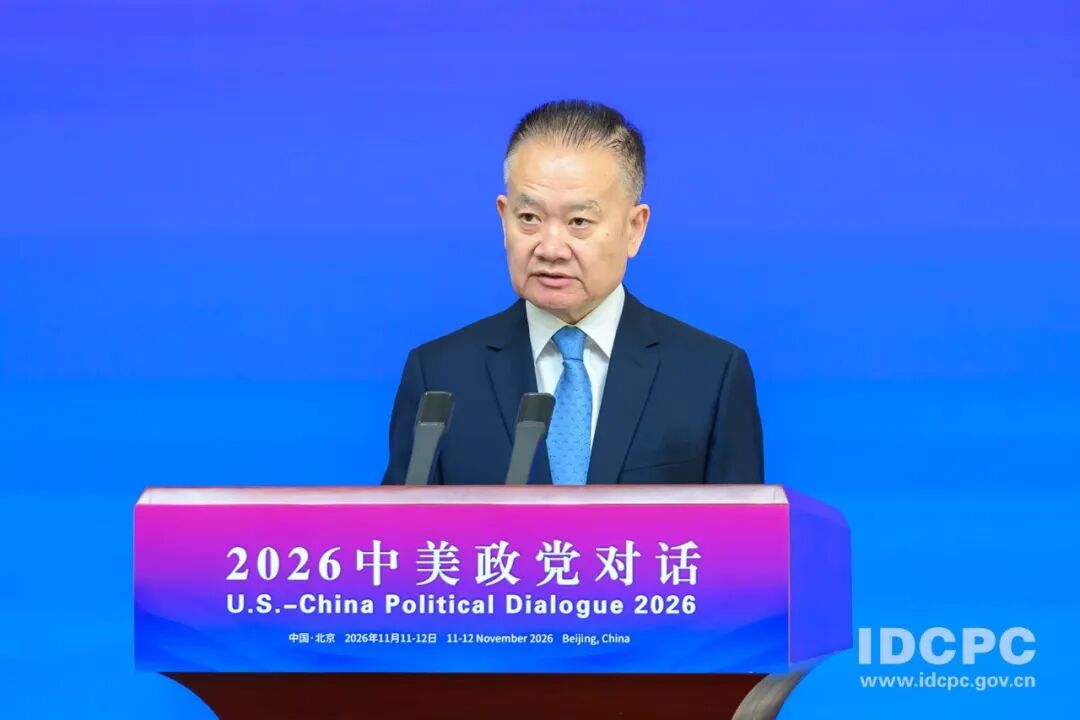
Liu said that China and the U.S. are both countries in the Asia-Pacific and the world's two largest economies, and that their relationship is one of the most important bilateral relationships in the world. Under the current circumstances, common interests between the two sides have grown, not diminished. A stable, healthy and sustainable China-U.S. relationship serves not only the interests of the people of both countries, but also provides an important guarantee for peace and prosperity in the Asia-Pacific and the world. President Xi Jinping and President Donald Trump have exchanged visits within a span of six months, setting a historic precedent in exchanges between the two countries. The two heads of state agreed to build a constructive China-U.S. relationship of strategic stability on the basis of respect, fairness and reciprocity, charting the course for the future development of bilateral relations.
Liu noted that the world today is undergoing profound changes unseen in a century. Under the strong leadership of the CPC Central Committee with Comrade Xi Jinping at its core, China in the new era is advancing national rejuvenation on all fronts through Chinese modernization. The more than 300 million American people are revitalizing their spirit of patriotism, innovation and pioneering endeavor, building a strong and prosperous country and a beautiful homeland, and embarking on a new journey of development. Looking ahead, China and the U.S. should uphold the principles of mutual respect, peaceful coexistence and win-win cooperation, and explore together the right way for the two major countries to engage with each other in the new era. Both sides should develop a correct understanding, effectively manage differences, expand mutually beneficial cooperation, promote people-to-people and cultural exchanges, and shoulder the responsibilities of major countries, working together to consolidate the foundations for a constructive China-U.S. relationship of strategic stability. The U.S.-China Political Dialogue has been held successfully 15 times to date and has become an important platform for exchanges and dialogue among various sectors in the two countries. Liu expressed the hope that political parties, political figures and people of insight from all sectors in both countries would make full use of their professional influence and social reach to promote the sustained, healthy and stable development of China-U.S. relations.
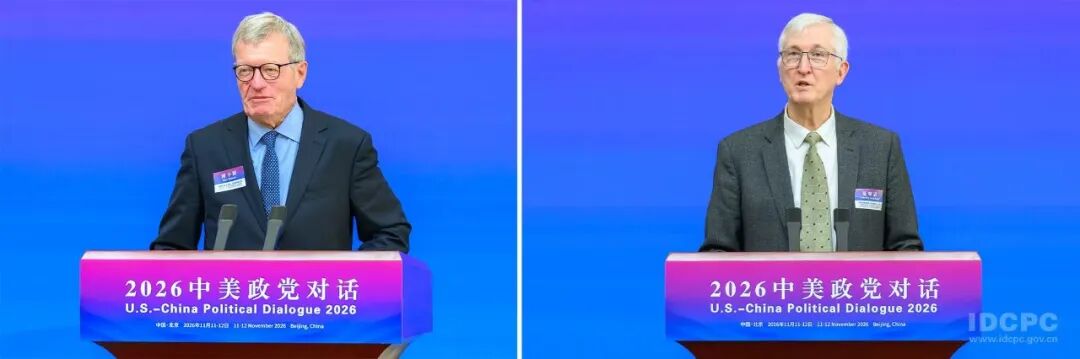
Baucus and other U.S. representatives said that despite their differences in history, culture and political systems, the U.S. and China are both major countries and important economies in the world, share extensive common interests and exert significant influence on international affairs. A more stable and balanced U.S.-China relationship would be conducive to achieving each country's development goals and help address challenges in global governance. The two sides should make the most of the favorable conditions created by the successful meeting between the two heads of state, continue to strengthen communication and dialogue, deepen mutual understanding in a spirit of respect, equality and seeking common ground while shelving differences, and pursue common development through healthy competition and mutually beneficial cooperation. This would inject more stability and momentum for development into the Asia-Pacific and the world. They expressed the hope that the U.S.-China Political Dialogue would promote exchanges between the two countries in trade and economic affairs, science and technology, people-to-people and cultural engagement, and among young people, thereby contributing positively to greater mutual understanding and trust and to the development of bilateral relations.
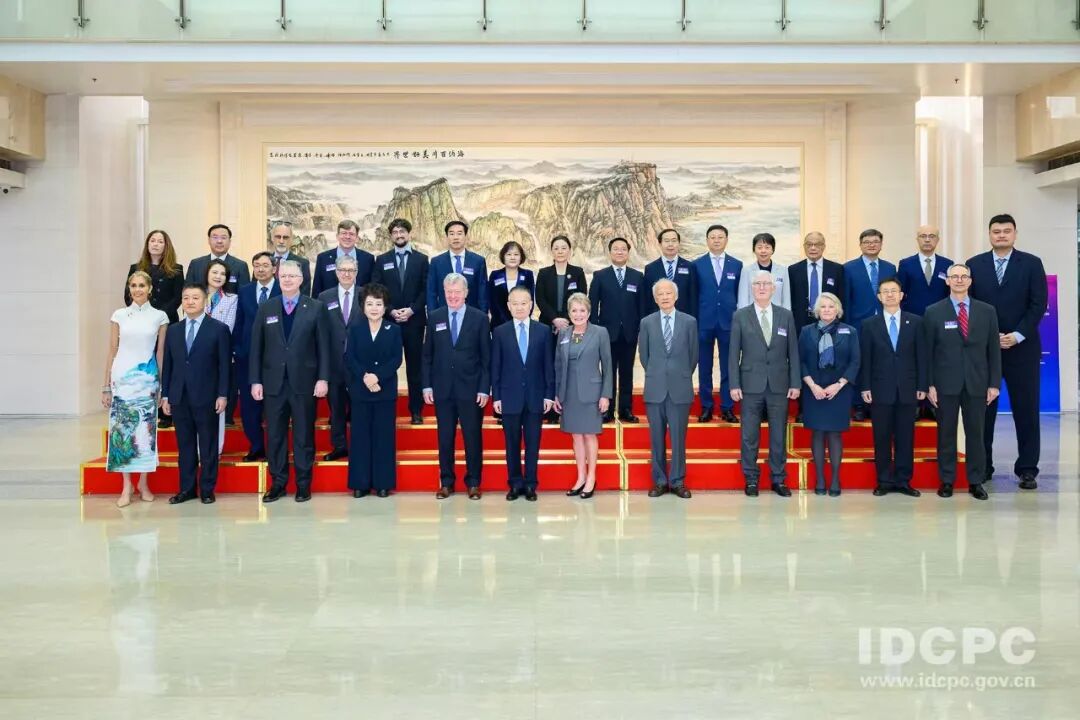
Qiu Yuanping, former Executive Deputy Director of the Office of the Central Commission for Foreign Affairs and former Minister of the State Council’s Office for Overseas Chinese Affairs, Cui Tiankai, former Chinese Ambassador to the U.S., and others were present.
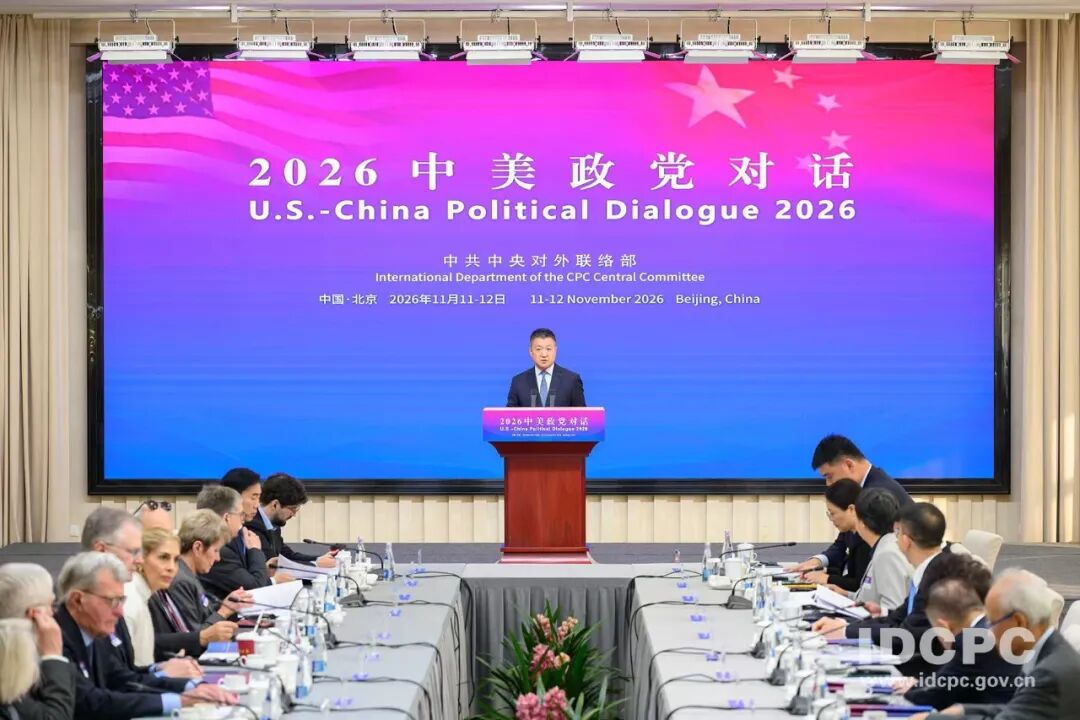
Lu Kang, Vice-minister of the IDCPC, presided over the dialogue.



Follow us:





Copyright © 2003 International Department of Central Committee of CPC. All rights reserved.
Email:info@idcpc.org.cn